Why Hot Water Fed Pole Window Cleaning is More Effective in Winter
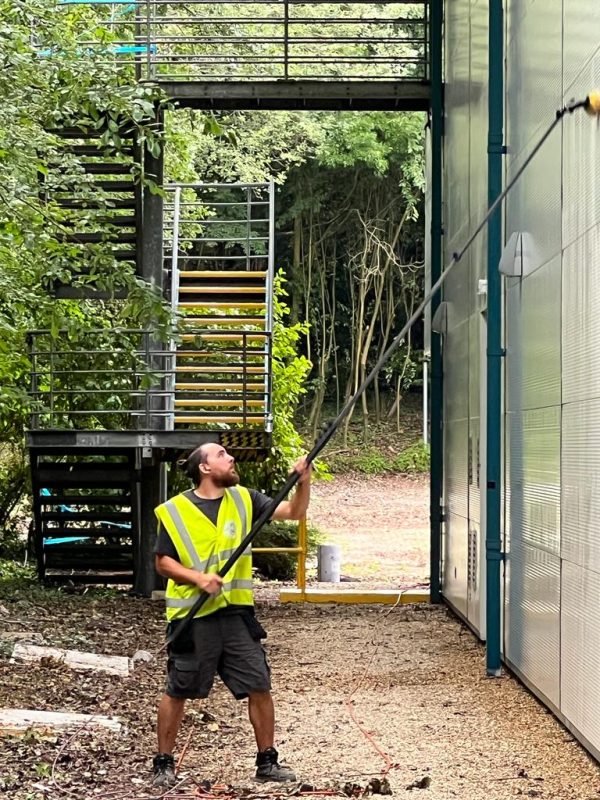
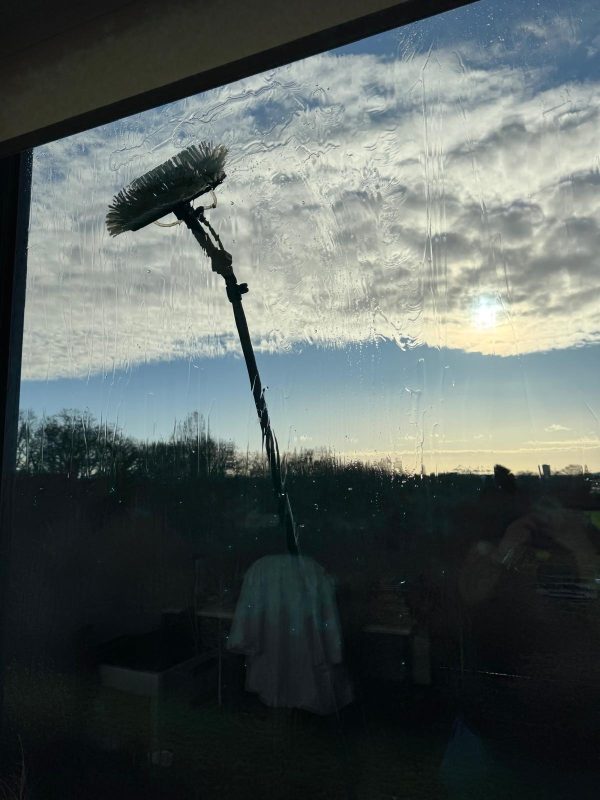
Heated pure water has transformed the world of commercial window cleaning and PVC maintenance. It breaks down traffic film and oily residues more quickly, softens stubborn grime on frames and sills, and works brilliantly in cold, wet weather. Used correctly, it is perfectly safe for glass, seals, and modern PVC finishes, while significantly reducing our reliance on harsh chemicals and treatments.
Why Water Temperature Matters for External Property Cleaning
Most of what makes glass and PVC look dirty isn’t just dust. Your property accumulates oily road films, diesel smoke residues, spider silk, bird mess, and the chalky oxidation that can form on older PVC.
Warm water loosens and dissolves these contaminants more effectively than cold because viscosity and surface tension drop as temperature rises. This means the water flows into tight gaps more easily, lifting off films that cold water tends to simply smear across the surface.
How Heated Pure Water Lifts Dirt Faster
Integrating heated water into our commercial services brings three distinct advantages:
- Faster Breakdown of Greasy Films: This reduces the number of brush strokes needed on frames and sills, protecting the surface while ensuring a deep clean.
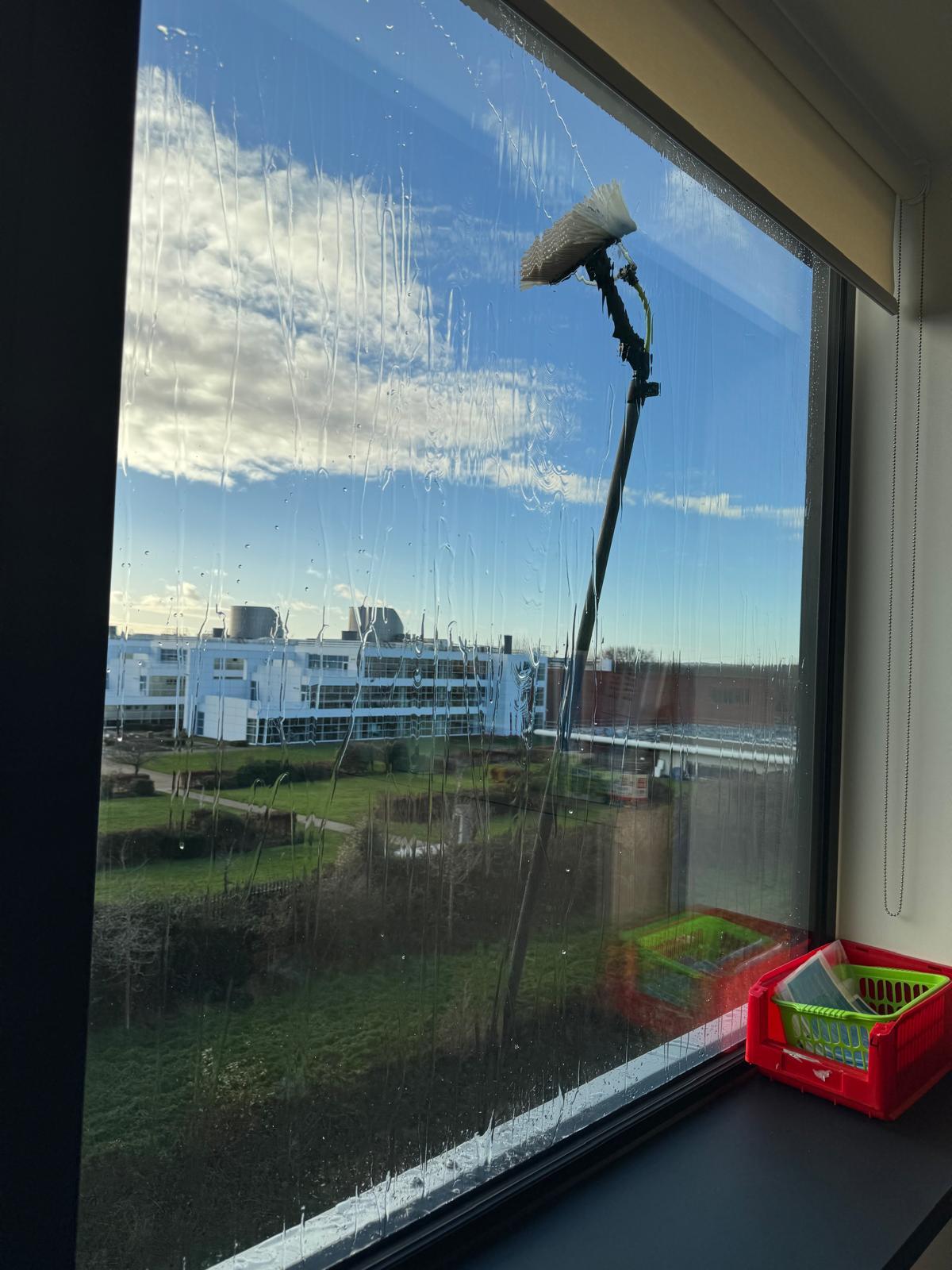
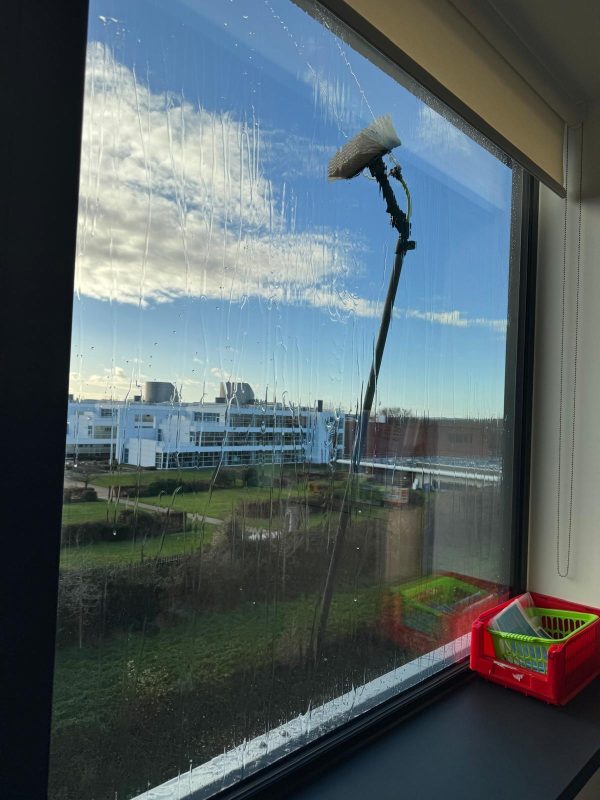
- Quicker Rinsing: Warm water sheets more readily, carrying away loosened contamination without spotting or streaking.
- Better Results on “First Cleans”: Where ground-in deposits would otherwise require repeat visits, heated water achieves a premium finish much faster.
Restoring PVC Frames, Soffits, and Fascias
PVC frames, soffits, and fascia boards often hold static dust and a greasy film that sticks to the grain of the plastic. Warm pure water softens that film, allowing the brush to remove it with less agitation.
On textured PVC, the warmth helps the water penetrate the pores and lift embedded grime that cold water often leaves behind. The outcome is brighter frames, fewer streaks in the reveal, and a superior result for our gutter and fascia cleaning clients.
Staying Productive During Cold, Wet Months
Cold, wet days tend to slow everything down. Water can feel “sticky” on the glass, and chemicals work less effectively. Heated water keeps our productivity up when temperatures drop. It removes frozen road film more readily and helps the surface dry evenly, ideal for those crisp or wet winter mornings on the South Coast.
Enhanced Customer Experience
Better flow on the brush and a more consistent “sheet” on the final rinse reduce the chance of lines or missed edges. Our customers consistently notice the brighter finish on their PVC and the reliable consistency of results throughout the colder months.
When Do We Use Cold Water?
While heated water is a game-changer, cold pure water remains excellent for:
- Lightly soiled maintenance cleans in mild weather.
- Interior window cleaning where heating is unnecessary.
- Highly sensitive historic glazing where avoiding temperature change is preferred.
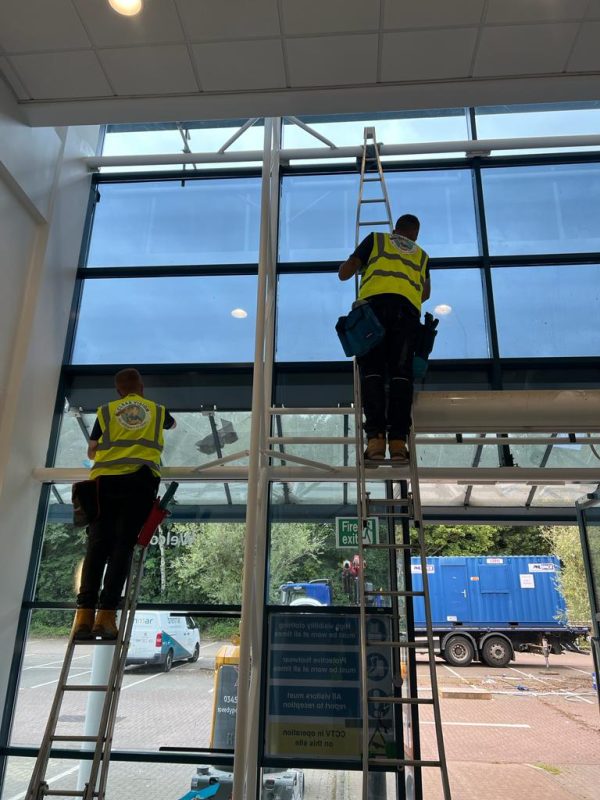
At Clear Vision, we run both options and strategically switch to heated water for first-cleans, greasy shop frontages, winter routes, and full uPVC restoration projects.